


The Methodist Hospitals Heart Rhythm Lab is a state-of-the art Electrophysiology Lab dedicated to the diagnosis, treatment and management of all types of heart rhythm disorders.
The Lab Facility
The Methodist Hospitals Heart Rhythm Lab is a state-of-the art Electrophysiology Lab dedicated to the diagnosis, treatment and management of all types of heart rhythm disorders. A complete range of non-invasive and traditional electrophysiology services are offered, including diagnostic testing, catheter ablations, surgical procedures, as well as prescription drug and blood thinner management.
Cardiac Electrophysiologists, who are trained in the diagnosis and treatment of heart rhythm issues, work with cardiologists, nurses and radiology technicians to treat every kind of arrhythmia, palpitation and flutter, including atrial fibrillation (AFib), tachycardia, complete heart block and Long QT Syndrome.
The Heart Rhythm Lab offers a full range of diagnostic procedures, treatments and services, including:
Diagnostic Testing
- Electrocardiograms (ECG)
- Holter monitors
- Event monitors
- Tilt Table testing
- Signal averaged EKG
- Electrophysiology study (EPS)
Catheter Ablation
- Ablation therapy for atrial rhythms (atrial fibrillation, atrial flutter, AV nodal reentrant tachycardia, Atrial Tachycardia, and other Supra-ventricular tachycardias)
- Ablation therapy for abnormal ventricular rhythms (ventricular tachycardia)
Pulse Field Ablation (PFA)
Pulse Field Ablation (PFA) at Methodist Hospitals Heart and Vascular Institute represents a cutting-edge advancement in cardiac arrhythmia treatment. This breakthrough technology for the treatment of paroxysmal or persistent atrial fibrillation was recently approved by the U.S. Food and Drug Administration. It delivers pulsed electric fields through an ablation catheter designed specifically to interrupt irregular electrical pathways in the heart that trigger Afib.
Earlier ablation technologies rely on thermal effects to target cardiac tissue and risk damage to additional collateral structures in the heart. The pulsed electric fields employed in this advanced technology efficiently isolates the pulmonary veins to treat Afib. Because the mechanism of cell death is non-thermal, the risk of collateral structure damage is potentially lower.
With its enhanced precision and reduced procedural risks, Pulse Field Ablation offers the potential for fewer complications, faster recoveries, and ultimately better outcomes.
Methodist Hospitals recently acquired a pulsed field ablation system that combines cardiac 3 dimensional cardiac mapping (a GPS imaging system for the heart) pulsed field ablations and when necessary radio-frequency ablation utilizing a new multi-purpose catheter. This reduces the overall procedure time as well as exchanges of catheters during an ablation procedure.
Dr. Kakodkar discusses Pulse Field Ablation procedures in greater detail in this video:
Surgical Procedures
- Pacemaker implantation, pacemaker and defibrillator generator changes, management and follow up
- Single, dual chamber, and bi-ventricular pacemaker implants
- Leadless pacemakers (pacemakers that are implanted directly into the right sided cardiac chambers)
- Bi-ventricular pacemakers and defibrillators for heart failure
- External and Implantable cardiac event loop recorders
- Clinical follow up and re-programming of implanted devices
- Defibrillator implantation, management and follow up
- Left Atrial Appendage Closure
- Atrial Septal Defect and Patent Foramen Ovale (PFO) Closure
Experienced Specialists
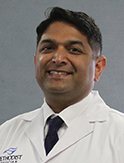
Siddharth Kakodkar, MD,
Cardiac Electrophysiology
Dr. Kakodkar is a board-certified cardiology and cardiac electrophysiology specialist whose practice is devoted to treating and managing all forms of heart rhythm disorders. His areas of treatment expertise include atrial fibrillation ablation, including pulse field ablation, ventricular tachycardia and PVC ablation, and supraventricular tachycardia (SVT) ablation. He also has considerable experience with Watchman, pacemaker and defibrillator implantation, as well as cardiac resynchronization therapy device implantation.
Southlake Campus, Pavilion B
200 E. 89th Ave.
Merrillville
219-644-3957
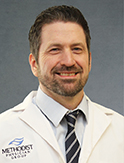
Michael T. Broman, MD, PhD,
Cardiac Electrophysiology
Dr. Broman is a board-certified specialist in cardiovascular disease and clinical cardiac electrophysiology, with expertise in treating complex arrhythmias, including atrial fibrillation and ventricular tachycardia. He delivers advanced, high-quality care while prioritizing clear communication with patients and families to support informed decisions and the best possible outcomes.
Southlake Campus, Pavilion B
200 E. 89th Ave.
Merrillville
219-644-3957
Methodist Hospitals Heart Rhythm Lab
MERRILLVILLE
Southlake Campus, Pavilion A
101 E. 89th Avenue
Merrillville, IN 46410
219-644-3957